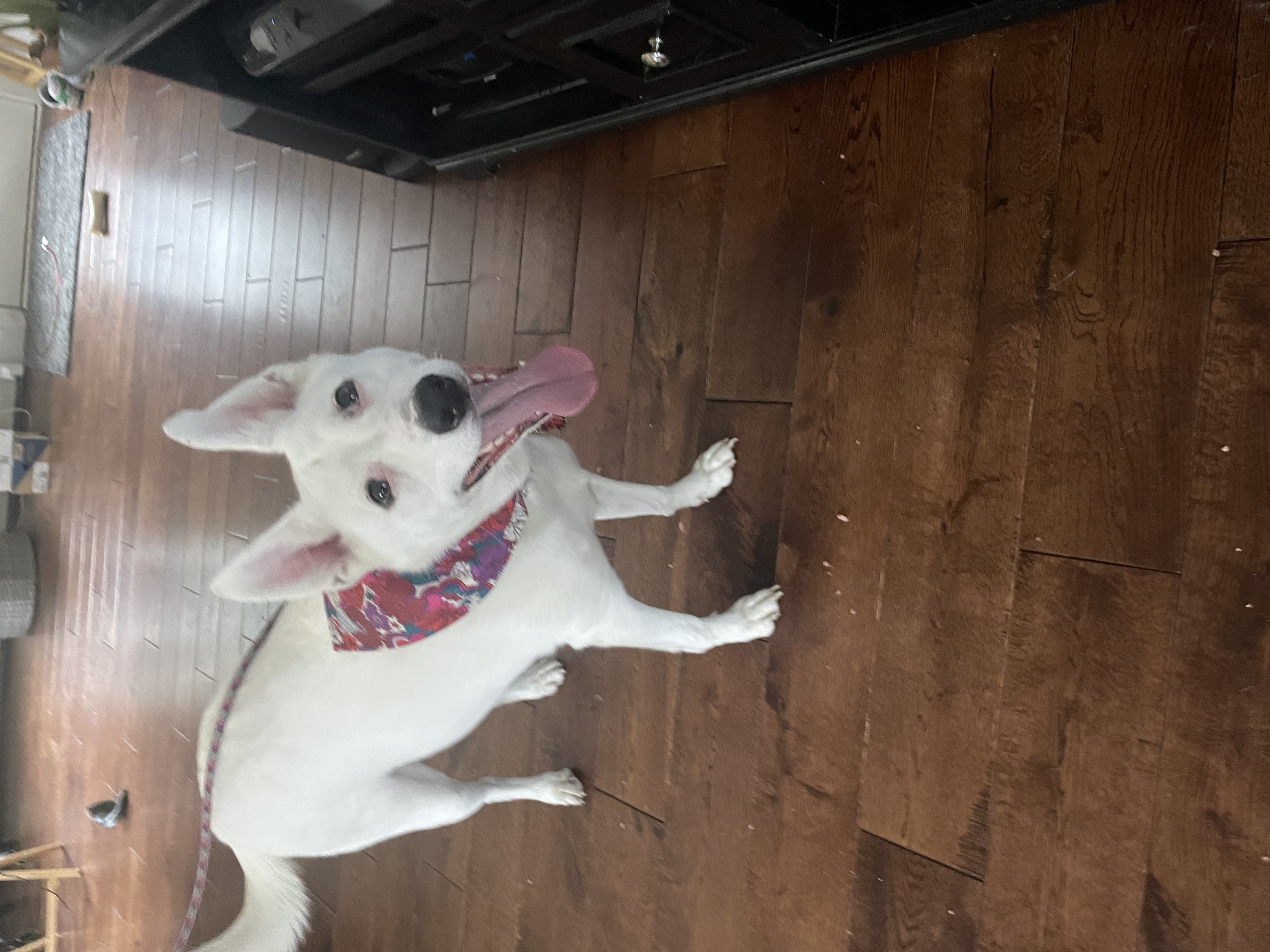
Behavioral Modification
Understanding your dog's behavior, identifying patterns and triggers, building coping skills, and teaching you how to manage and modify those behaviors safely.
Hands-on guidance to address specific behavioral challenges while learning to manage and work with your dog.
Program length: 10 weeks
What to expect:
*Detailed assessment of your dog's behavior
*Identification of triggers and patterns
*Management strategies to reduce unwanted behavior
*Customized behavior-modification plan
*Clear communication and engagement
*Impulse-control development
*Neutrality and disengagement exercises
*Threshold and trigger work
*Confidence-building exercises
*Desensitization and counterconditioning where appropriate
*Real-world exposure at an appropriate pace
*Owner coaching and handling skills
*Strategies for preventing rehearsal of unwanted behaviors
*Progress tracking and adjustments to the training plan
*Personalized homework between sessions
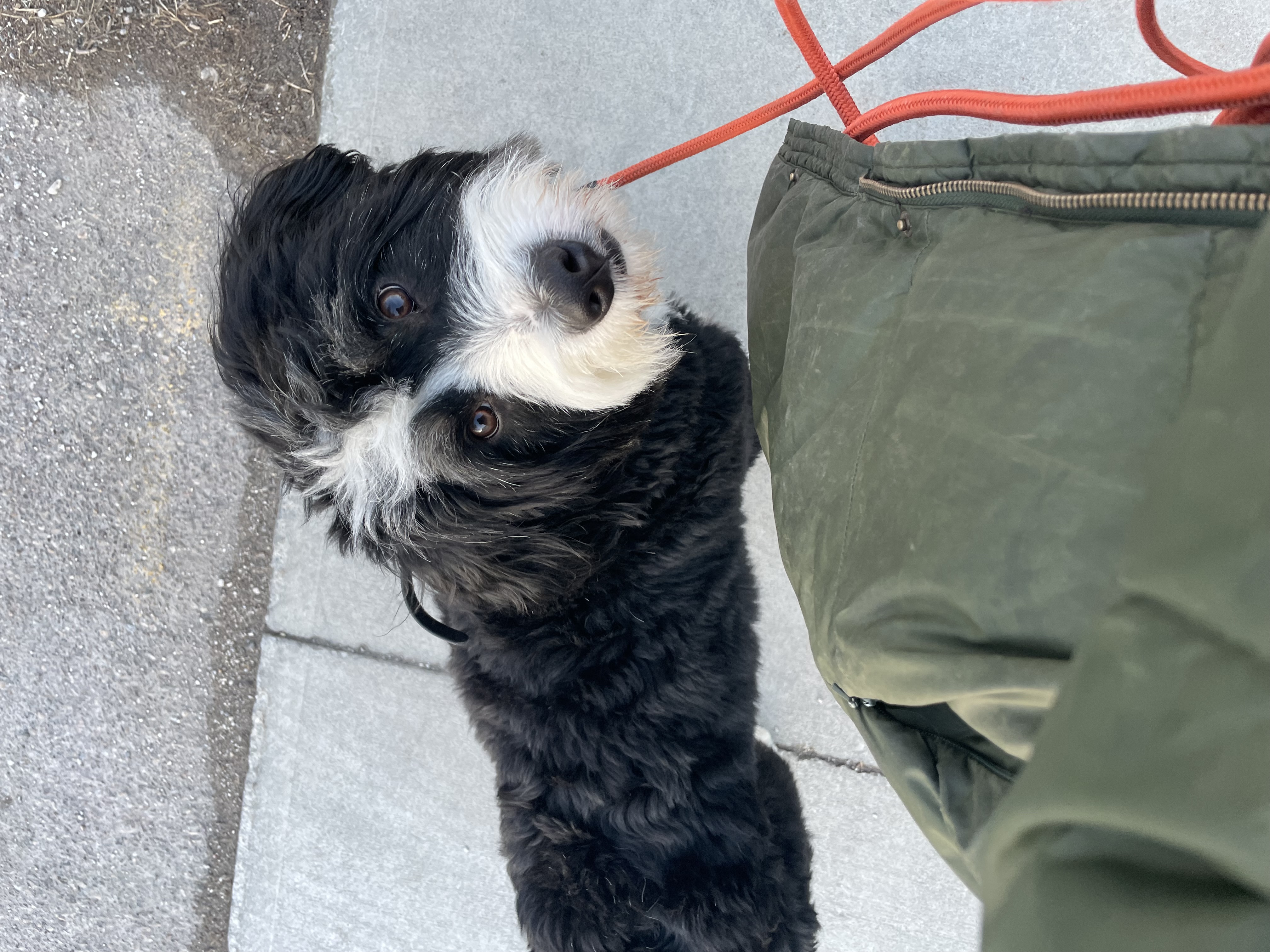
Behavioral Modification: Board & Train
Immersive training environment for dogs with behavioral challenges that require structured, individualized work.
Program length: 6 weeks (42 days)
What to expect:
Your dog's program is customized around their specific behavioral needs and may include:
*Behavioral assessment and observation
*Trigger identification
*Structured exposure to appropriate environments
*Impulse-control development
*Engagement and disengagement skills
*Neutrality training
*Threshold work
*Confidence building
*Appropriate desensitization
*Counterconditioning when appropriate
*Leash and handling skills
*Structured environmental exposure
*Controlled work around relevant distractions
*Management strategies
*Reinforcement of alternative behaviors
*Progress evaluations throughout the program
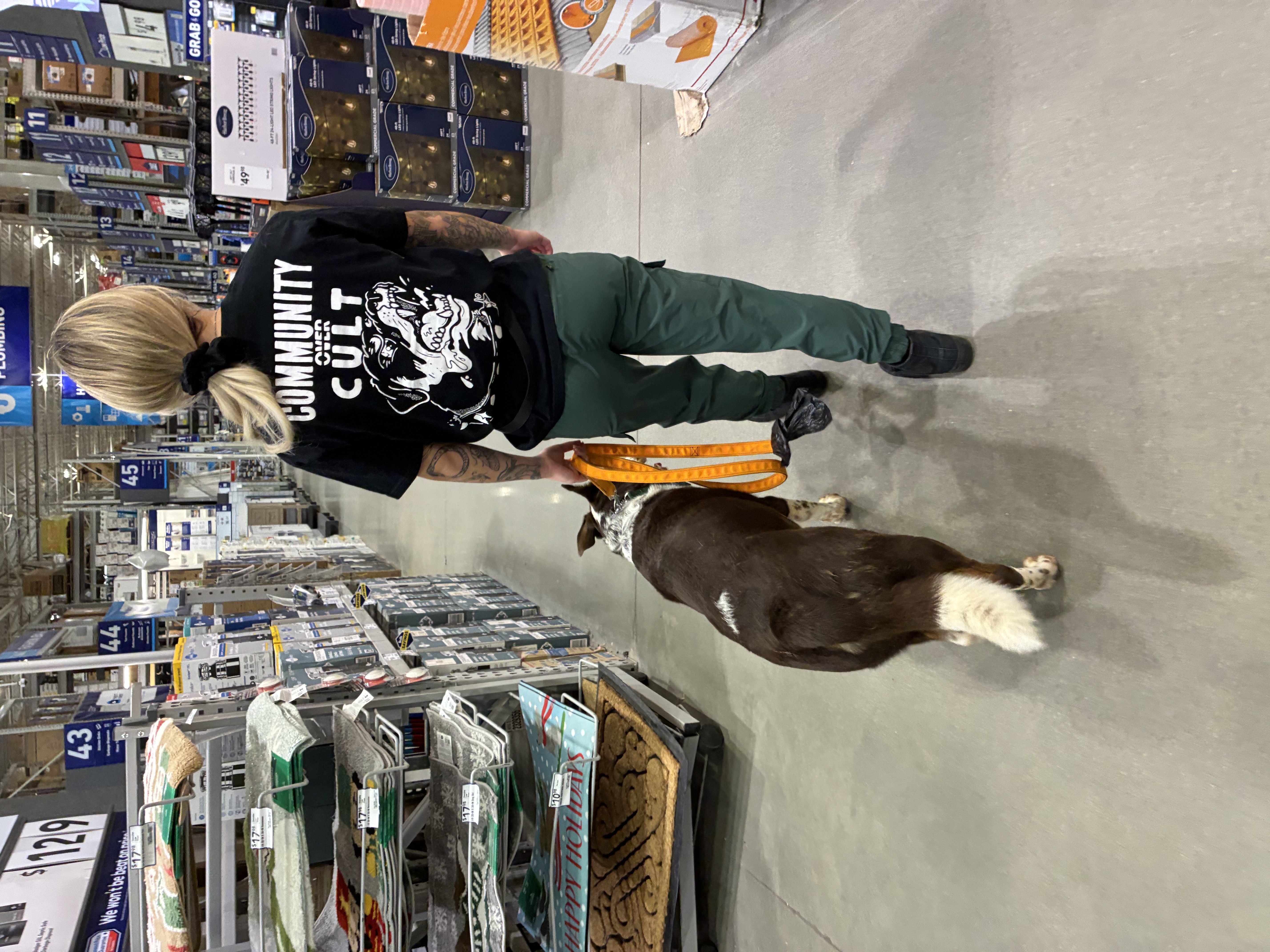
Behavioral Modification: Hybrid
Intensive professional training combined with hands-on instruction for managing and continuing behavior modification at home.
Program length: 3-week board & train + 4 private lessons
What to expect:
During Board & Train
Your dog works on:
*Behavior assessment
*Trigger awareness
*Engagement and disengagement
*Impulse control
*Neutrality
*Threshold management
*Appropriate exposure
*Confidence building
*Alternative behaviors
*Structured environmental work
*Individualized behavior-modification exercises
During Private Lessons
You learn how to:
*Recognize your dog's triggers
*Identify early signs of escalation
*Manage your dog's environment
*Prevent unwanted behavior from being rehearsed
*Properly use your training tools
*Work below your dog's threshold
*Reinforce appropriate responses
*Navigate challenging situations
*Apply behavior-modification techniques at home
*Gradually increase difficulty
*Recognize setbacks and adjust accordingly
*Build long-term consistency